
Recent reports have highlighted that many skin troubles stem from improper sebum care habits. In particular, the T-zone around the nose produces a lot of sebum, making pores easy to clog, and attempts to solve this can often end up increasing skin irritation. The vicious cycle in which more sebum appears the more you try to remove it is rooted in the structure of the skin itself.
The reason nose sebum keeps coming back lies in the structure of the sebaceous glands
There is a structural reason why sebum tends to build up especially easily around the nose. According to skin science data, the density of sebaceous glands on the face, including the T-zone, ranges from 400 to 900 per 1cm², which is 4 to 9 times higher than the same area on the arms and legs.
Because sebaceous glands are densely concentrated, sebum production is also high, and when it mixes with external dust or dead skin cells, it hardens inside the pores and settles as impurities. When temperature changes, lack of moisture, or excessive cleansing further stimulate the sebaceous glands, secretion can actually increase.
Sebum itself is not the problem. The problem is an environment where sebum cannot be released in time and accumulates. If the area around your nose becomes especially shiny or blackheads keep returning, it may be a sign that your sebaceous glands are working very actively.
Once you understand this structure, the direction of care changes as well. Rather than forcing everything out, the first step is to control the environment so the sebaceous glands do not become overactive. This is where the recurring pattern of nose sebum concerns begins.
Irritation triggers sebum, which is why gentle care is needed
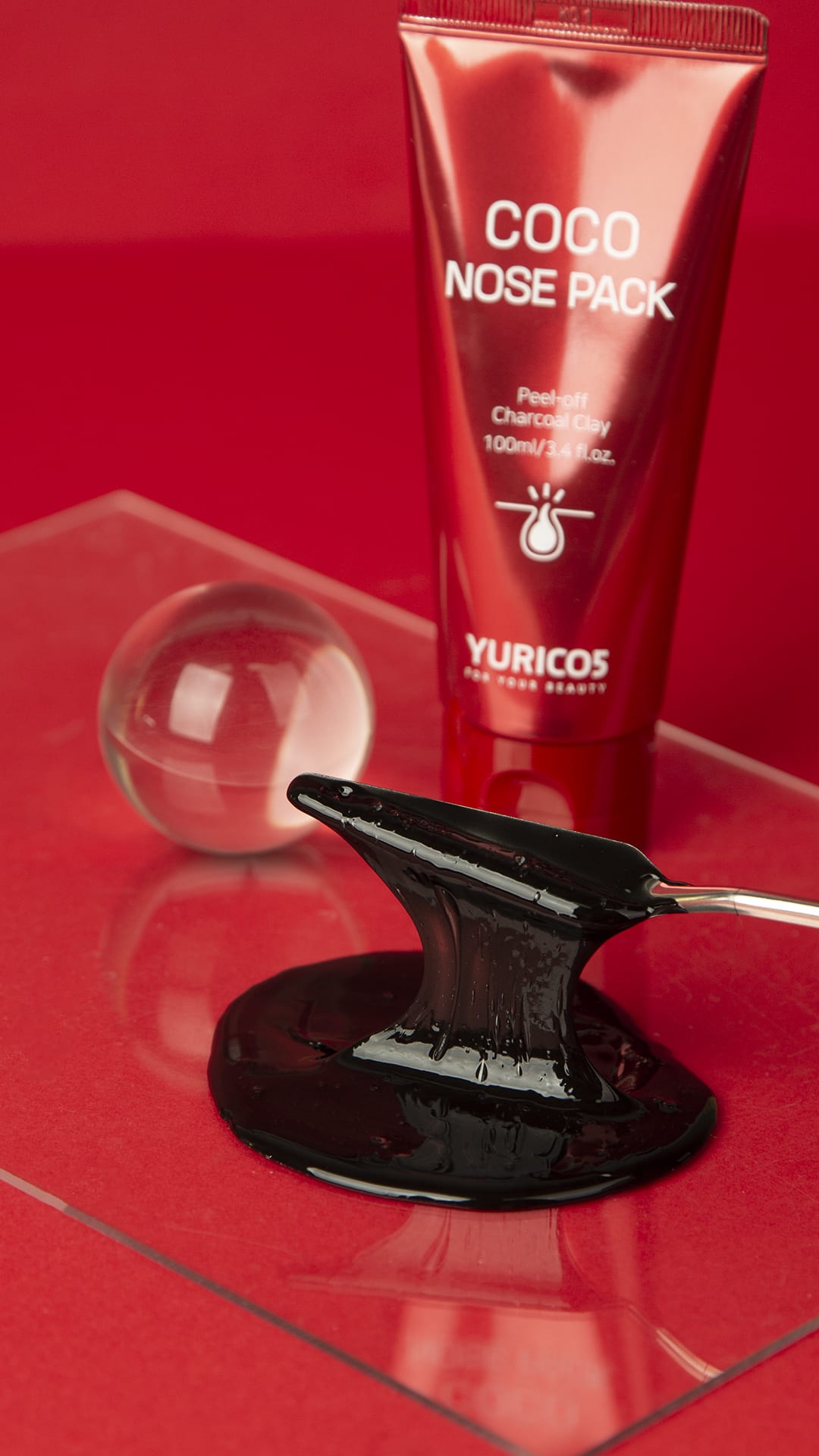
The problem is that most people choose the wrong way to remove sebum. Squeezing with your hands or using a nose pack with strong adhesion may look clean right away, but the skin around the pores can stretch, and irritation may actually encourage more sebum production. As irritation repeats, the skin barrier weakens, creating a vicious cycle in which sebum rises more quickly to fill the gap.
To manage sebum properly, the process must include soothing at the same time as clearing. Centella asiatica extract has long been used as an ingredient that helps soothe and regenerate the skin, and it is effective in quickly calming irritated skin. YURICO5 developed this Centella asiatica extract into its own patented ingredient and applies it to mask packs and the Cica line.
The key is to comfort the skin with gentle ingredients while helping impurities be released naturally. It is not about removing aggressively, but about managing consistently while reducing the burden on the skin.

It only matters if you can use it every day, turning nose sebum care into a routine
Proper nose sebum care is ultimately completed through a routine that can be practiced every day. The starting point is choosing materials and ingredients that do not burden the skin instead of harsh methods.
Why you should look at the sheet material first
YURICO5 Two-in-One Cica Mask uses an eco-friendly bamboo sheet. Bamboo fiber has a moisture absorption rate 3 times higher than cotton, delivering essence more evenly and deeply to the skin. While Centella asiatica extract handles soothing, the sheet material itself is structured to support ingredient absorption.
Ingredients must be gentle to use consistently
YURICO5 Daily Mask Pack is designed without the following 5 ingredients.
- Parabens
- Alcohol
- Artificial colorants
- Amines
- Mineral oil
It also contains moisturizing ingredients such as hyaluronic acid, panthenol, and trehalose, making it suitable for daily use even on sensitive skin. The gentler the ingredients are, the easier they are to use consistently, and the more consistently they are used, the more stable the sebum environment becomes.
The 8 lineups that can be selected according to skin condition are also one of the reasons it is easy to fit into a daily routine. On some days, soothing comes first, and on other days, moisture is the priority. As the habit of choosing according to the skin condition of the day builds up, more cases show that nose sebum care gradually becomes established.

Nose sebum is not a problem that simply needs to be eliminated, but a signal sent by the skin. When you understand the characteristics of the sebum-rich T-zone and approach it with soothing and moisture instead of irritation, the vicious cycle gradually begins to loosen. A routine that helps the skin find its own balance rather than forcefully clearing it out is ultimately the most lasting method.

