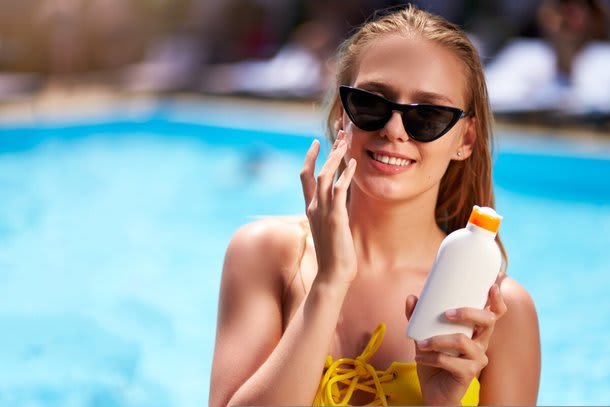
"Korean-market products perform better than U.S.-market ones"…Why is K-beauty UV protection so different?
An unexpected difference in UV protection
Even when products carry the same brand name, the UV protection performance of sunscreens sold in Korea and products made for the U.S. market has been found to differ. A U.S. consumer organization compared U.S.-market and Korean-market products from leading K-beauty brands in pairs, and every brand tested showed that the Korean-market product provided better protection against ultraviolet B (UVB), which causes sunburn.
Ingredient regulations by country and the technology gap
The comparison test covered products from Beauty of Joseon, Innisfree, and Round Lab, which have gained popularity on social media. In the test results, Korean-market products received a perfect score of 5 out of 5 in the UVB protection evaluation, while all U.S.-market products from the same brands scored only 2 points.
The measured SPF values also showed a gap. Korean-market products ranged from the mid to high 30s to the high 40s, while U.S.-market products recorded values from the high teens to the mid 30s, showing lower protection than what was indicated on the product labels.
One reason behind this difference is the variation in how countries regulate UV filter ingredients. The U.S. Food and Drug Administration (FDA) classifies sunscreen as an over-the-counter drug, making the process of introducing new UV filter ingredients highly complex and expensive. In contrast, Korea manages sunscreen as a cosmetic, creating an environment where manufacturers can actively use a wider range of modern UV filter ingredients.
Regulatory changes and market trends
However, signs of change are also emerging in the U.S. In June 2026, the FDA approved bemotrizinol, a new UV filter ingredient, for the first time since the late 1990s. This ingredient effectively blocks both UVA and UVB and has already been widely used in Korean-market products and others.
The expert evaluation panel also closely examined the texture and feel of the products in this comparison test. K-beauty sunscreens have long been praised for being lightweight and quickly absorbed, but when Korean-market and U.S.-market products were compared, the difference was difficult to detect.
All six products tested initially felt greasy and left a white cast after application, and they shared the common characteristic of absorbing after about 10 minutes while leaving a slight oily feel. Ultimately, it was confirmed that there was no major difference in terms of a moisturized and dewy finish.
It should be noted that this comparison test was conducted on only six products from specific brands and was not a formal academic study. Still, the gap between the SPF shown on product labels and the actual measured values may affect the quality perceived by U.S. consumers.
Since products from other brands sold in the U.S. also received high overall scores, it is difficult to view these results as a definitive evaluation of all K-beauty sunscreens.
The most important point, regardless of brand or country, is to make a habit of applying a broad-spectrum sunscreen with SPF 30 or higher thoroughly. No matter how effective a product is, it is difficult to protect the skin effectively from UV rays if it is not reapplied every 2 hours.
The ingredient composition of sunscreens can vary depending on legal regulations in each country, and this can also lead to differences in actual protection performance. Therefore, when choosing a product, consumers are advised to consider not only the ingredients but also credible test results for that product.
Choosing an excellent sunscreen is essential for skin health, and Yuricos supports a healthier beauty routine based on trustworthy ingredients and transparent information for consumers. We hope this guide will be helpful for making wise and practical cosmetic choices.

