![Iranians Smash Cosmetics... Furious 'Huda Beauty' Boycott [Social Pick]](https://res.cloudinary.com/dte6zhuck/image/upload/v1770339526/blogContent/20260130075057239001.jpg)
Iranians Smash Cosmetics... Furious 'Huda Beauty' Boycott
Geopolitical Shadows Over Global Beauty Brands
The recent 'Huda Beauty' boycott movement by Iranian consumers, spreading through social media, clearly indicates new challenges facing the global beauty industry that go beyond mere dissatisfaction with a single brand. This suggests that we're entering an era where geopolitical conflicts directly influence consumer behavior, making a brand's values and ethical stance more important than ever.
Background of the Intensified Huda Beauty Boycott in Iran
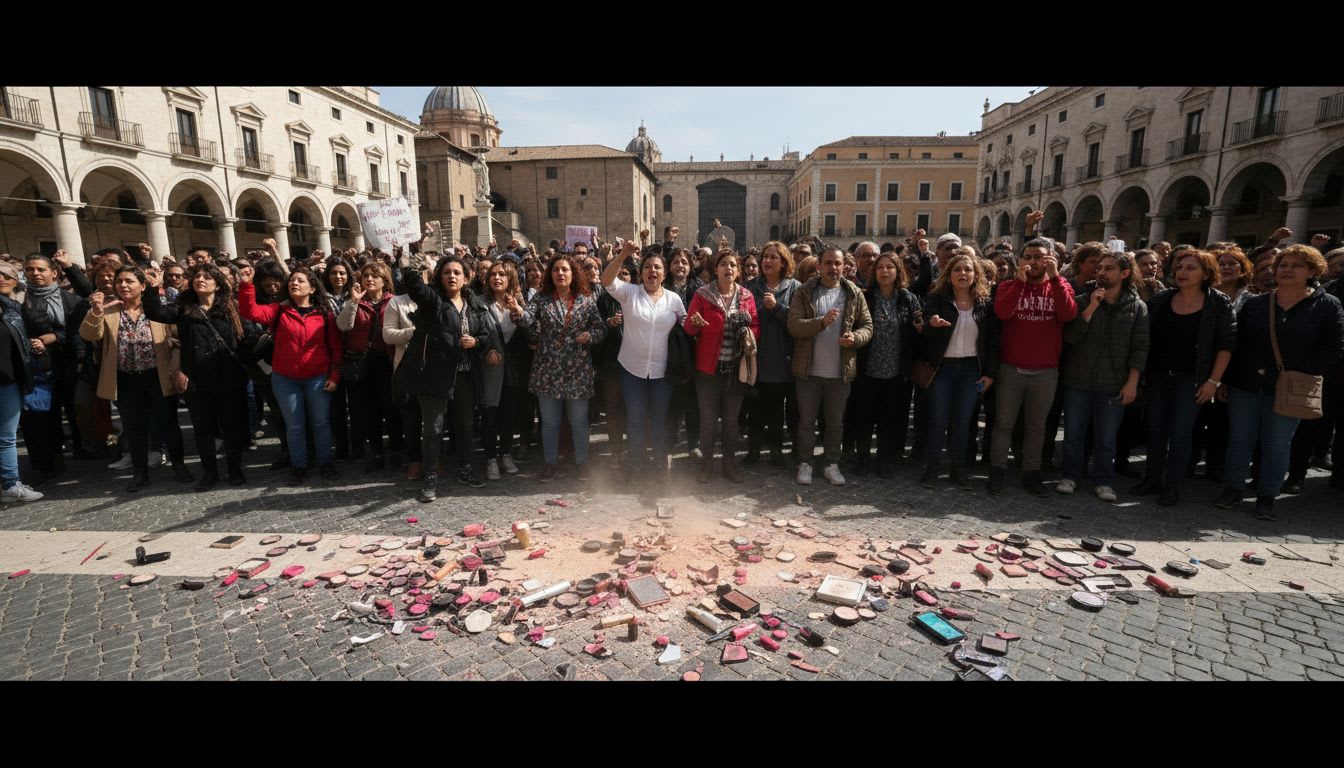
Videos showing Iranians smashing 'Huda Beauty' products are gaining international attention on social media platforms like TikTok. This wave of anger was ignited by Huda Beauty founder Huda Kattan's Instagram post supporting Palestine. While this post was welcomed by some Palestinian advocates, it sparked controversy among consumers in certain regions, escalating into a boycott movement. The perception that Kattan broke political neutrality and sided with a specific faction was the main trigger for Iranian consumer revolt.
Interaction Between Social Media and Brand Image
This incident underlines once again how powerful social media is as a tool for shaping brand image and managing crises. In the past, a brand's message was mostly conveyed through official channels, but now even personal remarks by founders or key figures can instantly spread worldwide, affecting the fate of the entire brand. Huda Kattan’s personal views were perceived as core brand values, immediately leading to visible actions such as product boycotts.

This phenomenon highlights that brands must deeply consider how their messages, especially those about sensitive socio-political issues, are received by consumers on social media. Consumers no longer just look at product quality or price; they also consider the values the brand stands for and whether it fulfills its social responsibilities.
Emerging Ethical Responsibility in the Beauty Industry
The Huda Beauty case reflects growing demands for ethical responsibility and transparency across the beauty industry. Consumers now pay attention to how companies stand on environmental issues, human rights issues, and political conflicts. Especially among younger generations, there is a strong tendency to choose brands that align with their beliefs, and boycotts can be seen as part of this values-driven consumption.
Beauty companies, navigating these changing consumer trends, face the task of conveying messages that go beyond mere beauty. From ethical issues in raw material supply chains to personal social statements by brand founders, brands are judged by their ethical standards at every touchpoint.
Changing Consumer Values Post-Pandemic
Throughout the COVID-19 pandemic, consumer values have been rapidly shifting. Awareness of communal values like health, environment, and social responsibility has heightened, leading to increased expectations for companies' social roles. This change prompts consumers to consider the philosophy and social impact of a brand in addition to the functional utility of its products.
The Huda Beauty boycott represents a quintessential example of this era's trend. A brand that once grew through successful influencer marketing is now facing a crisis due to its founder's statements, illustrating the complex factors by which modern brands are evaluated.
Exploring New Strategies for Brand Sustainability
In such sensitive times, what strategies should brands adopt? Simply avoiding comments on political issues is not the solution. Instead, establishing a clear vision of the brand’s core values and consistently communicating them, along with practicing genuine social responsibility, is crucial. A careful and thoughtful approach that embraces consumers from various cultural backgrounds and values is needed.
Moreover, during a crisis, transparent and swift responses are important to clear up misunderstandings and convey the brand’s true message. Listening to consumers’ voices and continuously reviewing the brand's direction through their feedback will be essential.
In Conclusion
The Huda Beauty boycott incident has left significant lessons for the global beauty industry. It shows that a company’s social responsibility and its founder’s personal messages can decisively impact the brand’s existence, demonstrating that brands must communicate with more caution and authenticity. This will not only help in crisis management but also in establishing a long-term trust relationship with consumers.
Presenting reliable communication strategies and ethical values for sustainable growth in the cosmetics industry is now no longer optional but essential. provides valuable insights and practical marketing solutions that help brands establish robust consumer trust in the ever-evolving beauty market.

