Do Young Skin Treatments Necessarily Accelerate Aging? Why ECM Maintenance is the Key
Regular skin treatments, such as laser or lifting, are becoming more common even among younger people. However, there are often concerns that such treatments may actually promote aging. According to clinical experts, the critical factor is not one's age, but the condition of the 'skin's internal structure.' The foundation of any treatment should originate from the skin's ECM (extracellular matrix).
Many Cases of Damaged Young Skin - It’s Not About Age But Skin Condition
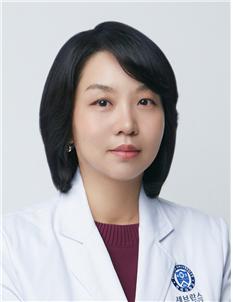
There has been a popular saying: "Starting laser or lifting treatments at a young age leads to inflammation and accelerates aging." But Professor Lee Joohee from the Department of Dermatology at Severance Hospital clearly states that "receiving many laser treatments at a young age does not clinically mean that skin aging will necessarily accelerate."
It's a well-known fact that skin collagen decreases by 1-1.5% annually from the mid-to-late twenties. When repeated inflammatory acne, UV exposure, or chronic inflammatory conditions like atopic dermatitis or psoriasis overlap, skin damage can occur early even in people in their twenties. Therefore, just being young doesn’t guarantee safe skin.
"The criterion for treatment should practically be 'how damaged the skin is' rather than 'how old you are.'"
The Key to Skin Aging is ECM - Why You Should Focus on the Inside
The essence of skin aging is not the surface wrinkles but changes within the skin, specifically the ECM. ECM, consisting of collagen, elastin, GAG, and fibronectin, is a supportive layer that forms the foundation for skin cell response and regeneration.
A stable ECM in the skin leads to faster recovery after treatments, while already weakened skin recovers slowly and can become unbalanced even with mild stimuli. Ultimately, what matters is the ECM's condition, not age. Preventing ECM degradation is the key to 'slow aging.'
"Skin anti-aging is essentially about how long and evenly ECM can be maintained."
Delicate Stimulation: The Key to Slow Aging - Not All Treatments Are Bad
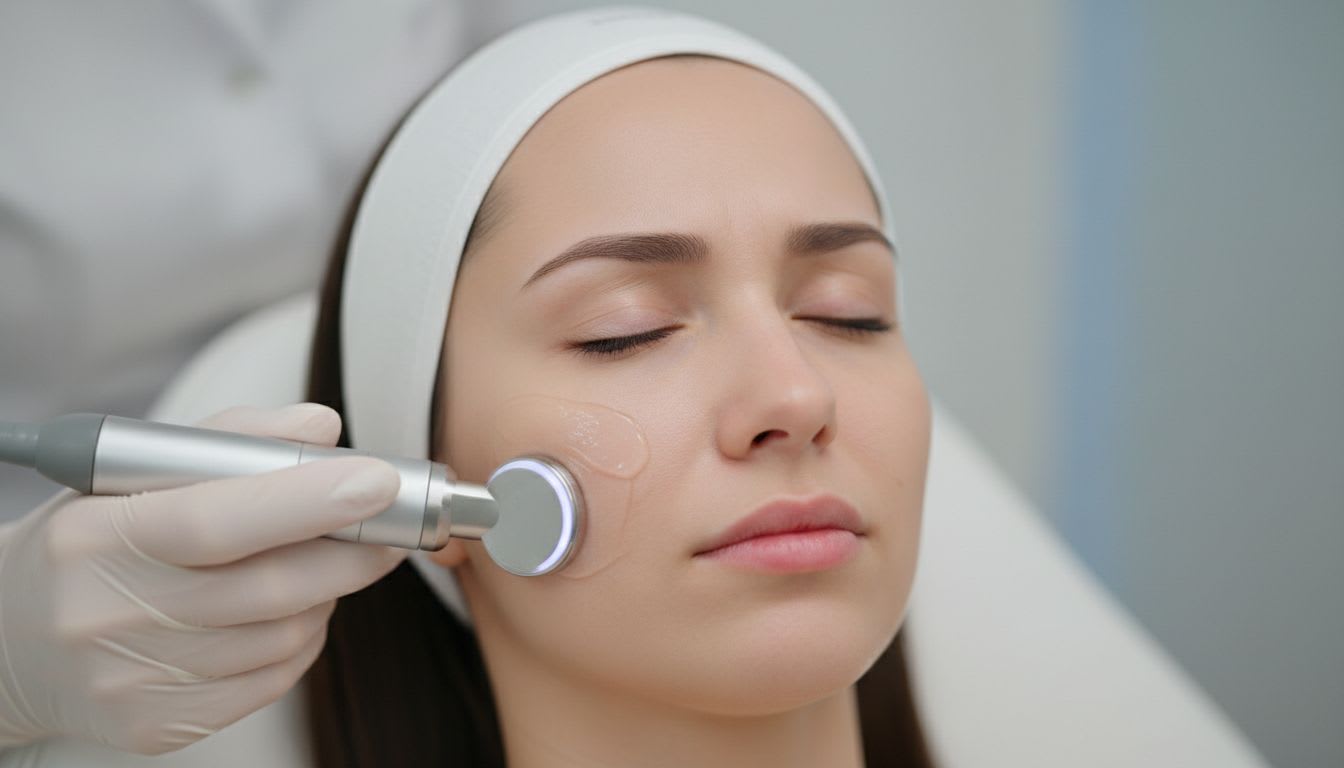
Energy-based treatments such as lasers, radiofrequency, and lifting can indeed help regenerate the ECM within the skin. However, this is true when treatments are at an 'appropriate level.' Ignoring recovery times between treatments or repeating them without purpose can stress the skin, keeping it in a state of inflammation.
Such skin consumes ECM structures and, in the long term, can cause collagen dysregulation. Continued stimulation without proper recovery forms layers akin to small scars.
"Appropriate stimulation can act as a recovery signal, but excessive stimulation can turn into an inflammatory response."
Are Skin Boosters and Fillers Okay?
Skin boosters or fillers can be selectively considered even in the twenties. However, the focus should be more on the method and quality of collagen production rather than just 'collagen induction.' Collagen formed through natural recovery integrates well with ECM, helping restore skin elasticity.
Conversely, collagen induced by forcing immune reactions can cause fibrous hardening or make parts of the skin rigid. Especially when this is repeated, it may hinder natural recovery responses.
"Skin boosters should be a strategy for creating slow changes, not an instant beautification technique."
It's Not the Youth That Makes Treatments Risky
We need to refocus on the essential question: Are treatments at a young age the problem? Or is it the lack of delicate stimulation? The point is clear. Collagen in the face starts to diminish from the late twenties, and this can mean subtle skin changes have already begun.
If treatments address this initial ECM decline, there’s no issue in approaching them even from a young age. The key is ensuring sufficient time and recovery for tissue reorganization post-treatment.
"It's not about avoiding treatments just because you're young, but about assessing skin condition regardless of age."
It's Not About the Number of Treatments, but the Design - Clinical Experiences Reveal the Truth
The most crucial factor for youthful skin is 'treatment design.' Professor Lee Joohee emphasizes, having observed numerous cases of surgical scars and post-inflammatory adhesions, "In the end, who looks younger depends more on how the skin has recovered and been managed, rather than how severe the initial skin problem was."
"It's not about giving a lot of stimulus, but about giving the most delicate stimulus at the right time."
ECM does not collapse suddenly due to a single treatment but rather through repeated, unplanned stimulus routines. In other words, the focus should be on not deteriorating the internal structure instead of making the skin temporarily glow.
Natural Recovery and ECM Stability Should Be the Criteria
In skin treatments, the term 'anti-aging' is now shifting from mere beauty to a functional approach. Compensating for reduced ECM and maintaining balance must become the core of skin health. And these criteria should be based on each individual's skin condition, not age.
Decades of experience in the field rather than advertising emphasize one thing: "It's not about giving more stimulation as a solution, but about providing the most delicate stimulation at the right time."
Conclusion
The claim that skin treatments at a young age necessarily accelerate aging may not be accurate. The real key is how well the skin's ECM is managed and maintained, and only carefully tailored stimulation can make slow aging possible.
Subtle care and treatment tailored to the skin's condition can play a significant role in preventing skin aging. `` acknowledges the necessity of such skincare and contributes to supporting skin health with trustworthy cosmetics.

