Recent reports have highlighted how celebrities with skin that makes it difficult to guess their age, such as Hwang Shin Hye and announcer Jang Ye Won, consistently maintain specific ingredients and routines. More consumers are quickly recognizing that the key is not simply genetics or the cost of care, but which ingredients are delivered to the skin and how they are delivered. As expectations grow that visible changes can be achieved through daily routines without dermatological procedures, interest in cosmeceutical skincare is higher than ever.
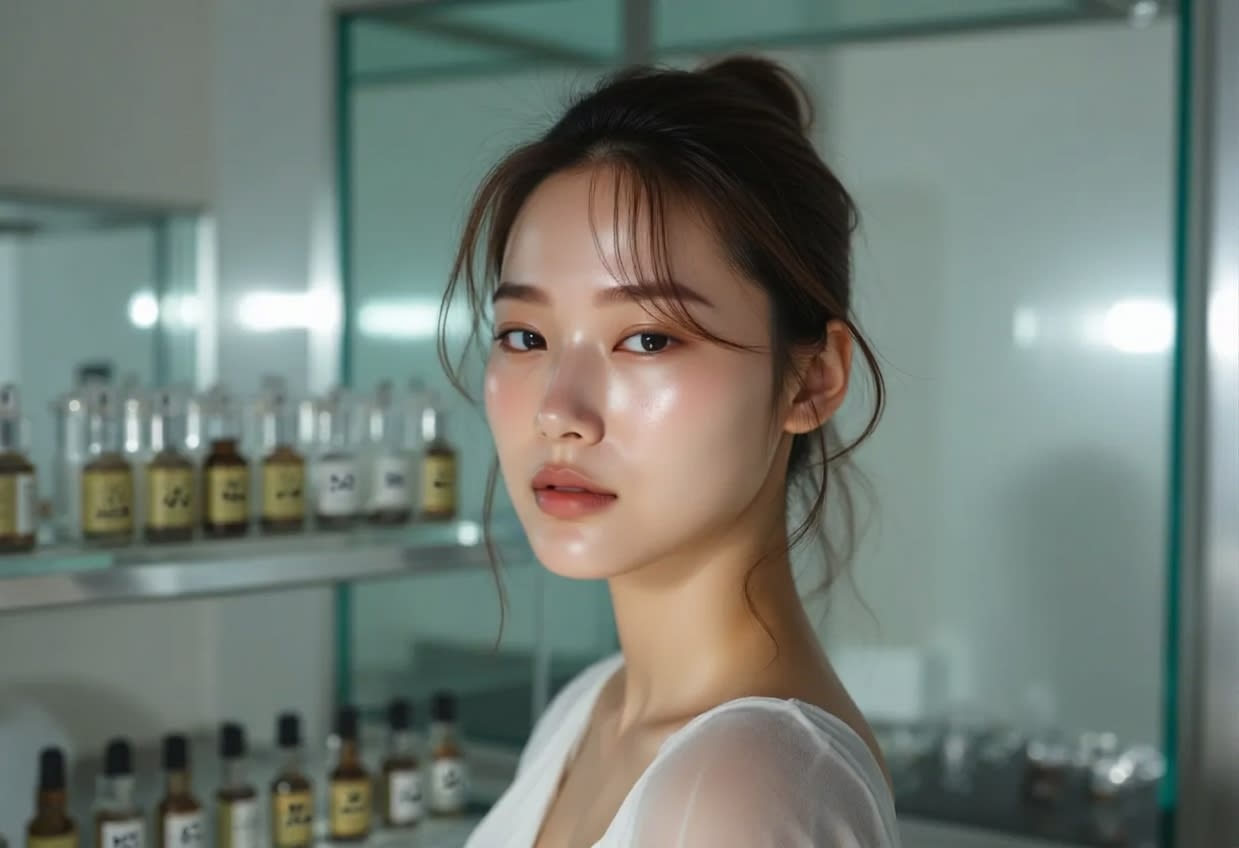
The Principle Behind Complex Ingredients That Create a Whitening Effect
A clear and even skin tone is not created by a single ingredient. For a whitening effect to be meaningfully realized on the skin surface, multiple ingredients must work simultaneously through different pathways.
Niacinamide blocks the process in which melanin is transferred to keratinocytes, while tranexamic acid suppresses the enzyme activity that promotes melanin production itself. Glutathione enhances skin radiance through an antioxidant pathway that converts oxidized melanin into a reduced form. According to a clinical study published by Louna Aesthetics, when tranexamic acid and niacinamide were applied together, dark spots visibly decreased and skin radiance improved within 8 weeks.
In this way, when each ingredient intervenes at different points in the melanin production pathway, pigmentation can be addressed across a broader range than with a single ingredient alone. The Ministry of Food and Drug Safety designates niacinamide as a notified ingredient for whitening functional cosmetics, and products certified as functional must contain this ingredient within the range of 2 to 5%. Passing the content standard is not just a marketing phrase. It means that the product meets the minimum conditions required to expect a certain level of efficacy. The process of refining the skin tone evenly from within becomes visible only when these complex actions build up as a routine.
Why Mask Sheet Material Determines Absorption Efficiency
No matter how good an ingredient is, it cannot work if it does not reach the skin. One part that is often overlooked in sheet masks is the sheet material, and how much essence it can hold and deliver to the skin varies greatly depending on the structure of the material.
Unlike general nonwoven materials, bamboo fiber sheets form a 3D network structure in which fibers interlock at 90-degree angles, allowing them to hold 50% more essence than conventional materials. The penetration rate of active ingredients into the skin has also been reported to be 30% higher than with conventional materials. If the skin is sensitive or the barrier has weakened, material selection becomes even more important.
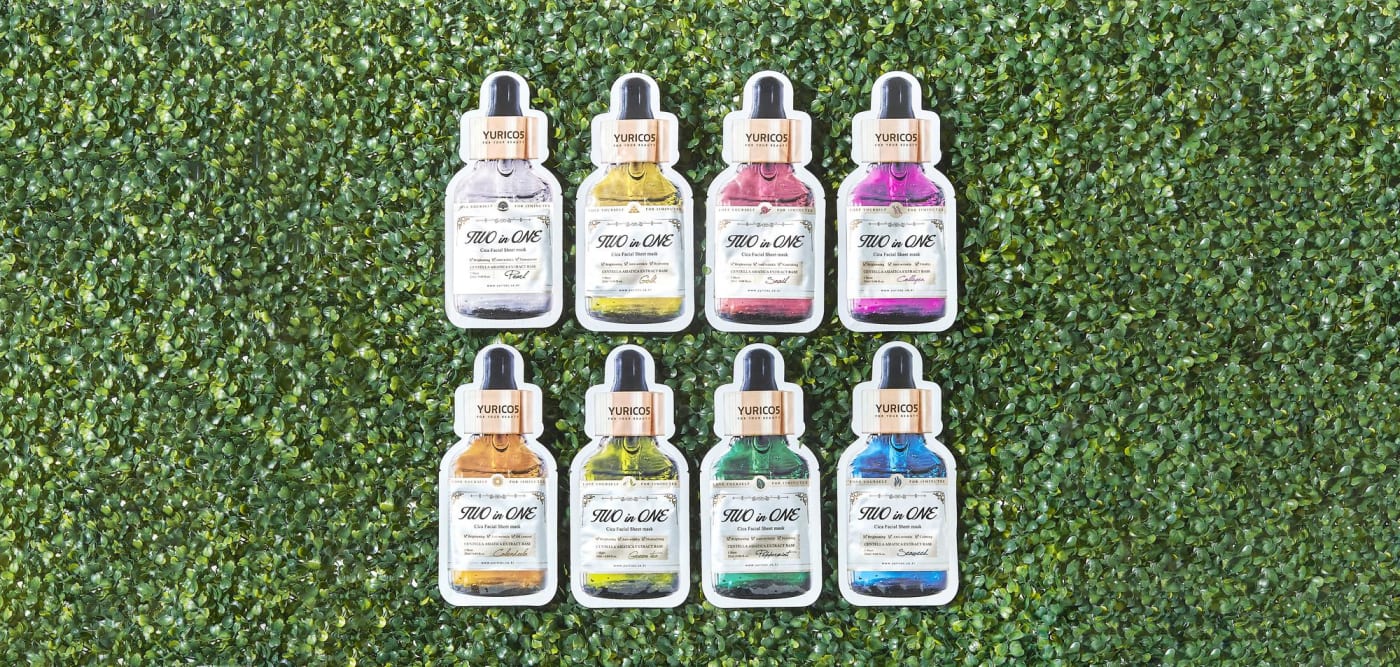
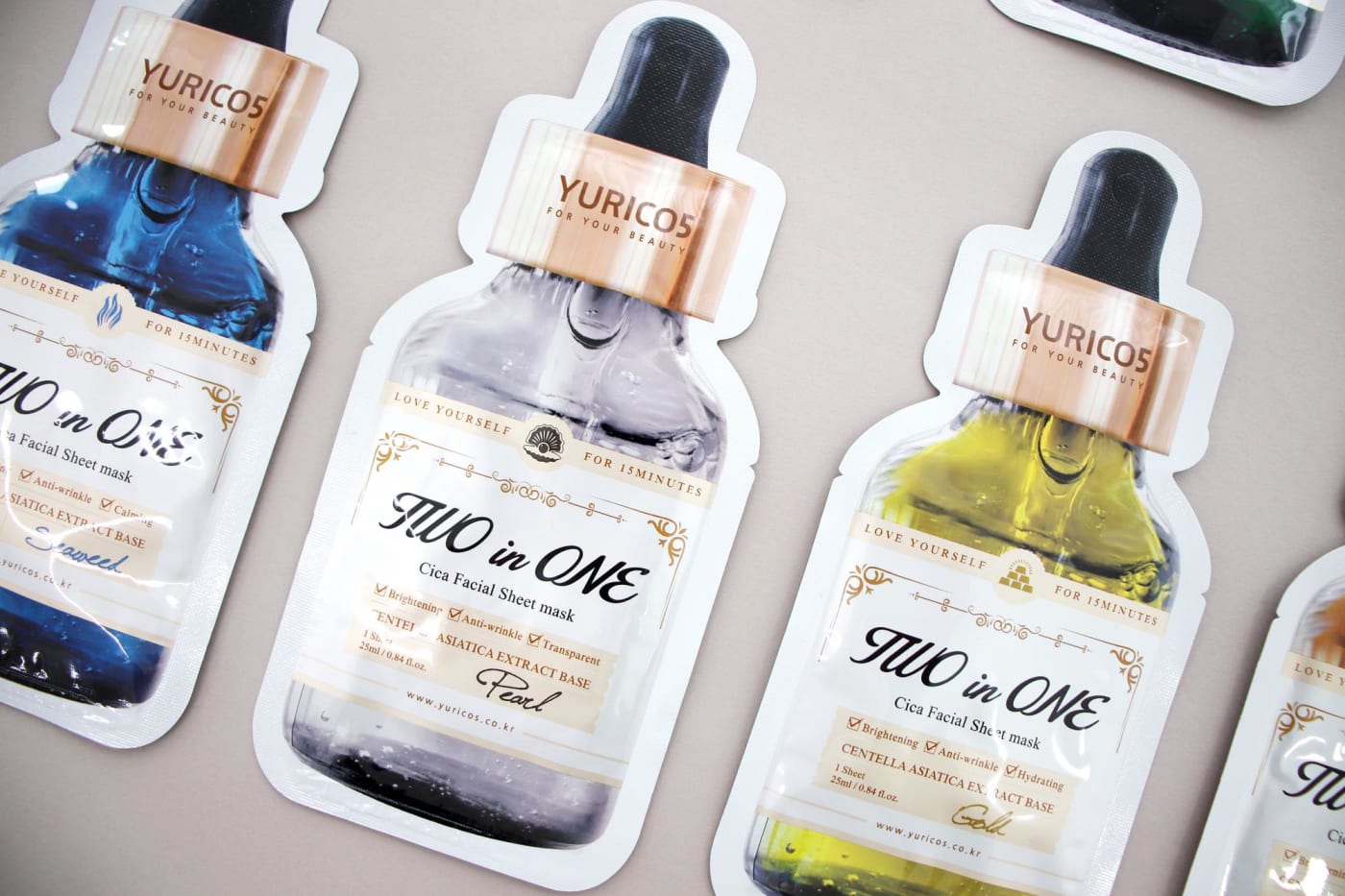
YURICO5 Two in One Cica Mask uses this eco-friendly bamboo sheet and is formulated with soothing ingredients including Centella asiatica extract, while excluding parabens, alcohol, artificial colorants, amines, and mineral oil. While moisturizing ingredients such as hyaluronic acid, panthenol, and trehalose support the skin barrier, the sheet is structured to hold the essence for a long time and maintain close adhesion. Simply listing gentle ingredients and designing an environment in which those ingredients can actually be delivered to the skin are completely different matters. When choosing a sheet mask, checking material information along with the ingredient list is the key to determining absorption efficiency.
Practical Criteria for Choosing Cosmeceutical Products
When choosing products for a skin routine, there are two main standards that consumers can practically rely on.
- Whether the product has functional certification from the Ministry of Food and Drug Safety
- Whether patented ingredients are present
To be recognized as a functional cosmetic, it must contain 2 to 5% of functional ingredients recognized by the Ministry of Food and Drug Safety, and the manufactured product must actually contain at least 90% of the reported content. If a product has passed this standard, its efficacy claims can be seen as being based on verifiable figures rather than simple advertising copy.
Patented ingredients are another level of trust indicator. YURICO5 holds its own patented mixed extract of Centella asiatica, stevia, and taro, and the Hupura-THA ingredient that helps prevent aging is also the result of its proprietary technology. The Le Biel line consists of whitening and wrinkle improvement products that have received functional certification from the Ministry of Food and Drug Safety, meaning it starts from a position that satisfies both ingredient content and efficacy standards.
From a consumer perspective, certification marks and patent numbers may feel unfamiliar, but they are the most direct way to check the baseline of a product. The growing interest in specific ingredients and certified products whenever a celebrity skin routine becomes a hot topic reflects a shift in which consumers are beginning to look for evidence-based products rather than products that simply look appealing.
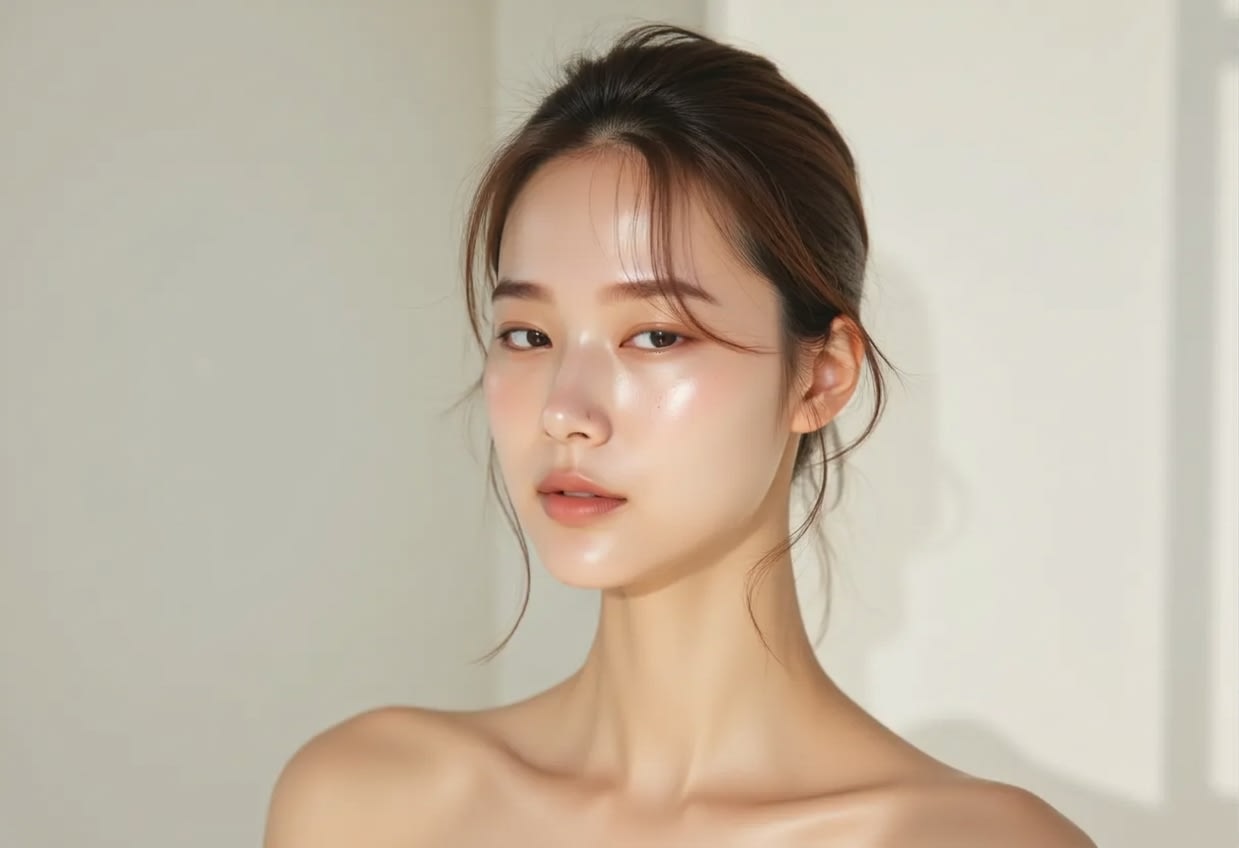
The reason announcer Jang Ye Won became known for her skin was not simply because it looked good. Noticeable changes appear only when a routine built up every day, the principles of the ingredients within it, and an environment that allows those ingredients to actually reach the skin all work together. The way YURICO5 designs products based on cosmeceuticals follows the same context. A routine with evidence-based ingredients, verified standards, and a structure that allows absorption can be applied to anyone's daily life.

